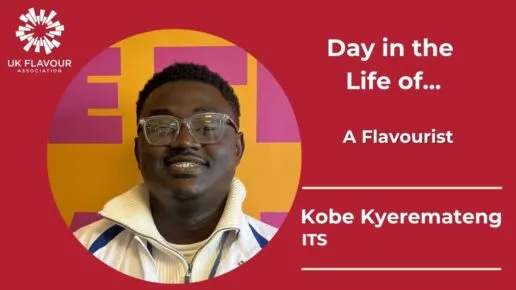
Meet Kobe Kyeremateng
“I’ve had a taste of it now and for the rest of my life, that is what I want to do.”
- Job Title: Flavourist
- Company: ITS
- Degree: BEng Chemical Engineering, University of Hull
From Surgeon Dreams to Chemical Engineering
Kobe Kyeremateng’s journey into flavour wasn’t planned. Originally from Ghana, he moved to the UK as a teenager with ambitions of becoming a surgeon.
But things quickly changed.
“The dream was to become a surgeon but that went away when I realised biology wasn’t my strongest subject.”
Dropping biology at A-level left him with chemistry, physics and maths thus opening the door to a different path. A school careers talk introduced him to chemical engineering, a degree with broad opportunities across industries.
Kobe went on to study Chemical Engineering at the University of Hull, initially aiming for a career in petroleum engineering. But after university, things didn’t go quite to plan and that’s when he discovered something unexpected.
Discovering the Flavour Industry
Kobe first heard about the flavour industry through a recruiter.
“I didn’t even know the flavour industry existed, if I’m being totally honest.”
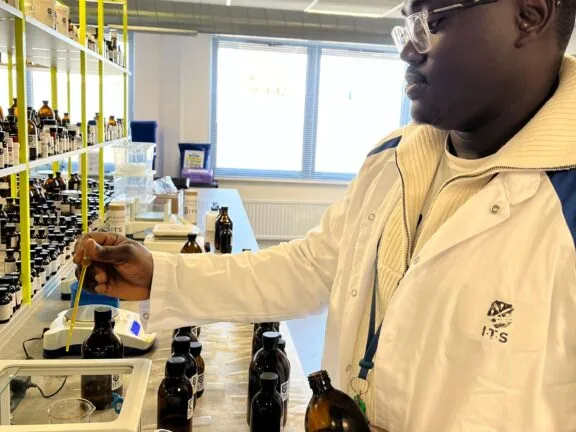
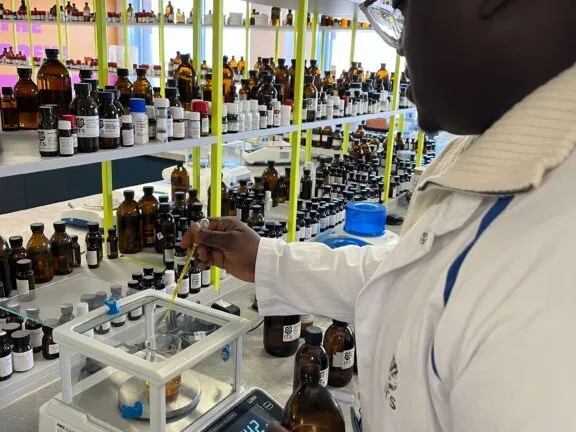
He started as a flavour lab assistant, compounding flavours and working hands-on in the lab. It didn’t take long for something to click.
“You’re seeing chemistry in front of your eye and that’s when the passion started.”
Wanting to move beyond compounding into creating, Kobe pushed himself into roles where he could develop his skills further. Learning from experienced flavourists and gaining hands-on experience helped him quickly grow in confidence.
“I was like a sponge, just soaking up information and learning by doing.”
Today, he works as a flavourist at ITS, where he continues to develop his craft.
Is chemical engineering a good degree for becoming a flavourist?
Kobe strongly believes that chemical engineering provides an excellent foundation for a career in flavours. The degree develops a broad understanding of manufacturing, processes and problem-solving, which can be applied across many industries.
“It gives you a base understanding of anything manufacturing-wise and the avenues you can go into are almost endless.”
In flavour creation, this background is particularly useful. It helps with understanding formulation, stability, scalability and production feasibility.
What Does a Flavourist Actually Do?
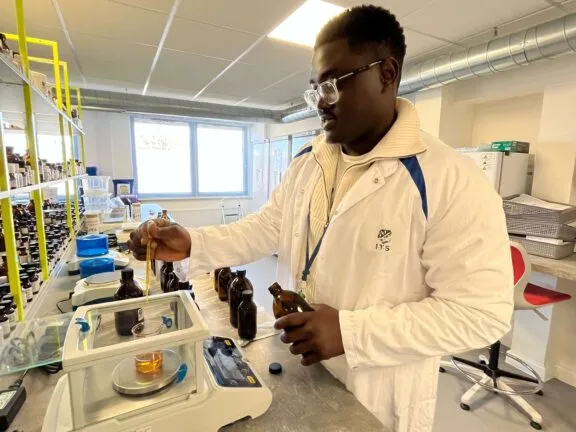
Kobe’s work spans multiple areas:
• Flavour Creation & Matching: Developing new flavours and recreating existing ones
• Analytical work, including upcoming responsibility for GC-MS equipment
• Training: Leading internal raw material sessions to build team knowledge
• Customer Engagement: Delivering flavour training and supporting visits
“It’s about making sure what you create works, not just in the lab, but in real applications.”
His chemical engineering background plays a key role in how he approaches formulation, helping him think about stability, scalability and performance.
No Day is the Same
Like many flavourists, Kobe’s days rarely go to plan.
“You can have things planned, and then something comes in and everything changes.”
Working in an ever-growing company means he works across both savoury and sweet flavours, building a wide range of experience. Priorities shift quickly depending on customer needs, deadlines and new briefs.
“It keeps you on your toes, but that’s what makes it interesting.”
For Kobe, the most rewarding part of the job is bringing ideas to life.
“You can think of something on paper and then actually create it – that’s the exciting part.”
It’s a mix of science, instinct and creativity, with constant experimentation along the way.
“You’re working blind and when the customer says it’s perfect, it’s a great feeling.”
Career Progression & Opportunities
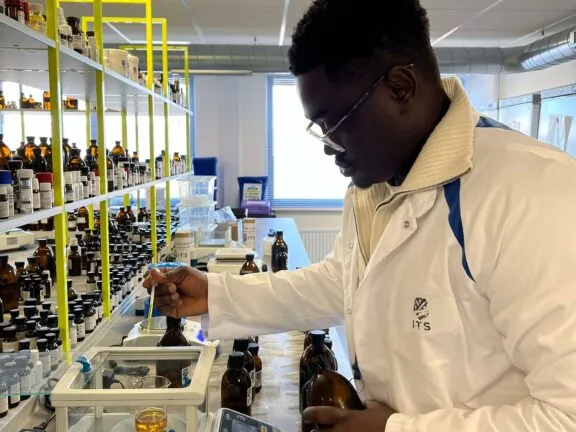
Kobe is focused on building his knowledge and expertise as a flavourist.
“The goal is to become like a walking encyclopaedia of flavours.”
While progression is important, his main priority is continuing to learn and improve. The flavour industry offers opportunities across different areas, but for now, he’s happy developing his skills in creation.
“I just want to keep getting better and better at what I do.”
Skills Developed Along the Way
Working as a flavourist has significantly developed both Kobe’s technical and sensory abilities.
- Stronger understanding of formulation, stability and scalability
• Practical, hands-on chemistry skills
• Improved sensory awareness and vocabulary
“When I first started, I’d just say ‘it’s nice’ but now I can give detailed descriptions.”
Over time, he has trained his nose to distinguish between subtle differences in aroma compounds – a key skill in flavour creation.
Advice for Aspiring Flavourists
Kobe’s advice is simple: be passionate and get stuck in.
“You have to have the passion and the zeal for it as it’s not something you can just learn from a book.”
He encourages people interested in science, food and creativity to explore the industry, even if they haven’t heard of it before.
“It’s like being an artist with a blank canvas, you can create whatever you want.”
Kobe describes the flavour industry as exciting, creative and full of opportunity.
“It’s a great industry – I’m loving it.”
His journey shows that sometimes the best careers aren’t planned, they’re discovered.
Could Flavour Be Your Future?
Kobe’s story highlights how varied the route into flavours can be. From chemical engineering to creative flavour development, there’s no single path.
If you enjoy science, problem-solving and creativity, the flavour industry could be the perfect place to explore.
A day in the life of a Flavourist
In this video, Kobe gives an inside look at his role as a flavourist. From responding to urgent customer briefs to creating bespoke flavours under tight deadlines.