Flavours are essential to how we experience food, drink and even non-food products.
Flavourings are used across a wide range of industries, not just food and drink. Wherever taste or smell plays a role in consumer experience, flavourings can be found.
Where are flavours used?
Food and drink
The most familiar applications flavours are used in include:
• Soft drinks, juices and flavoured waters
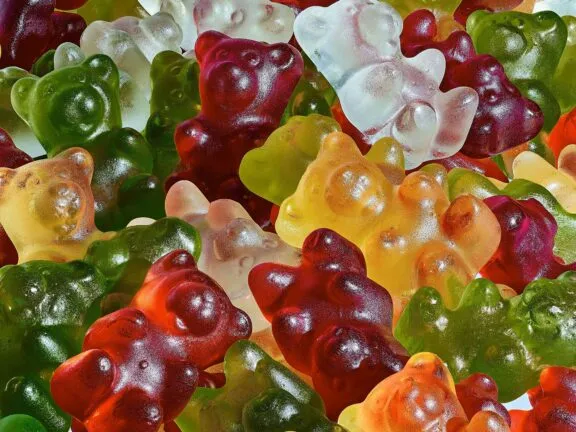
• Confectionery and chewing gum
• Dairy products like yoghurts and ice creams
• Baked goods, snacks and ready meals
• Plant-based meat and dairy alternatives
• Health and sports nutrition products

The wider role of flavourings
Oral care
Toothpastes, mouthwashes and other oral care products use flavours to provide freshness and encourage good hygiene habits, especially in children.
Pharmaceuticals
Flavours help improve the taste of medicines especially in syrups, chewable tablets or supplements to make them more palatable.
Animal feed
Flavourings in pet foods or livestock feed can enhance palatability, encouraging animals to eat and ensuring nutritional intake.

Other areas
Flavours are also used in:
• Tobacco products
• Nutraceuticals
• Some cosmetic and personal care items (especially those that enter the mouth or are lip-based)
Why application matters
A flavour isn’t just judged in isolation; it must also work in context. Application specialists fine-tune flavourings to ensure they deliver the right experience when consumed.
For example:
• A peach flavour might need to perform differently in a tea than in a yoghurt.
• A strawberry flavour for a vitamin gummy might need to mask bitterness.
• A chicken flavour for a pet food must appeal to an animal’s palate.
• Masking off-notes from protein isolates in nutritional supplements.