From idea to application: the journey of a flavour
How does a flavour go from an idea to something you taste in a yoghurt or toothpaste? The journey is complex and collaborative, involving science, creativity, regulation and precision.
Creating a flavour involves several steps, usually led by a specialist flavour company (or flavour house) working in close partnership with a food or drink manufacturer.

Step 1: Brief from the customer
The process starts when a customer, such as a food or beverage company approaches a flavour house with a project. This includes:
- What the final product will be (e.g. lemon iced tea, plant-based sausage, strawberry chewing gum)
- The desired flavour profile
- Any technical or regulatory requirements (e.g. natural flavour only, suitable for heat processing, free from allergens, suitable for a particular country)
2. Flavour development
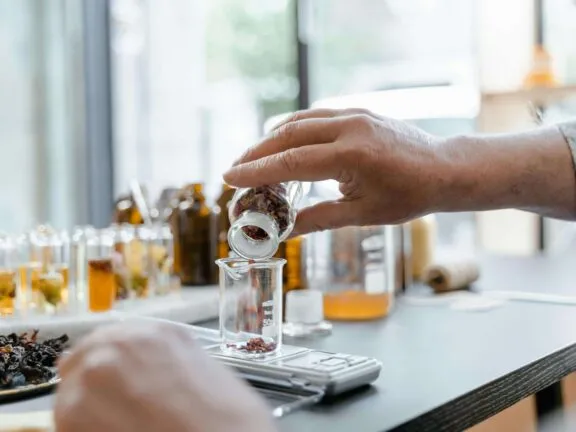
Flavourists and sensory scientists use their expertise to develop a flavour that matches the brief.
This might involve:
• Extracting compounds from natural sources
• Reconstructing a flavour through combining aroma chemicals
• Adjusting for sweetness, bitterness, umami and more
Each flavour is designed to work within the technical constraints of the product (e.g. pH, fat content, heat exposure).
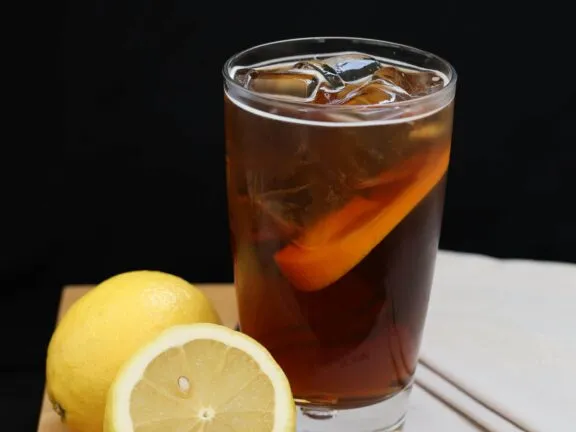
3. Testing in application
Once developed, the flavour is tested in the actual food or product matrix. This is known as application work. The goal is to make sure it performs as expected in the final product:
• Does it survive processing?
• Does it deliver the desired taste?
• Is the consumer experience consistent?
Sensory panels or consumer testing may also be used at this stage.

4. Regulatory and safety checks
Every flavour must comply with food safety regulations. It will be assessed for:
- Compliance with local flavouring regulations
- Labelling requirements
- Suitability for specific markets (e.g. halal, kosher, vegan)

5. Production and quality assurance
Once approved, the flavour is produced at scale. Strict quality control ensures:
• Batch consistency
• Food safety standards
• Traceability of ingredients
6. Delivery to customer
The flavour is packaged and shipped to the customer, who then incorporates it into their product during manufacturing.